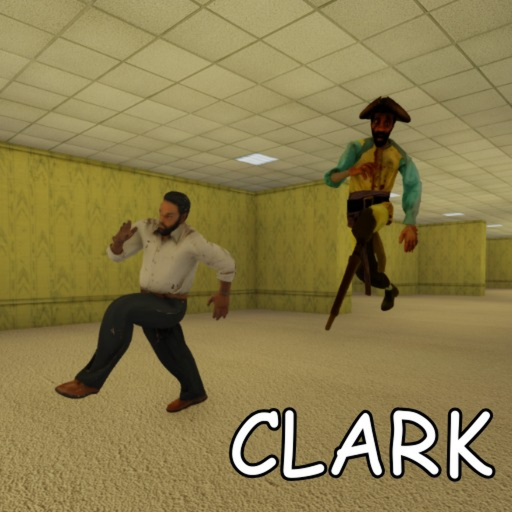
Explore for information first
Because no public numeric reward or room table is verified, the safest repeat-run goal is information: learn the layout language, test a published key, and notice how the group reacts to sound and light.
A no-fake-numbers exploration guide for Clark Huss rooms: use repeat runs to learn the environment, communicate clearly, and avoid turning unknown rewards or room values into false certainty.
Start with the player task, then use the steps and stuck-state checks below when the route is not working.
Because no public numeric reward or room table is verified, the safest repeat-run goal is information: learn the layout language, test a published key, and notice how the group reacts to sound and light.
Change one variable at a time. If you change the squad, route, light habit, and control mapping together, you cannot tell what caused a different result.
A repeated community observation can be useful, but it does not prove a drop rate, spawn rule, or permanent route. Keep the status label visible.
Use repeat runs to learn the current Huss rooms environment and squad habits, not to chase a made-up drop table. Change one variable at a time and record what you actually observe.
Use the checklist in order when you want a direct path instead of general tips.
Choose a control, light habit, audio cue, or regroup point to watch.
Comparable runs need similar communication and roles.
Record the build date and avoid adding a number you did not measure.
A dated behavior note helps future updates more than a confident but unsupported guarantee.
Use these checks when the guide route is not working in your current session.
Change one variable at a time and keep a short note.
No public reward table is verified; return to the source status page.
Use a single observation goal and regroup between tests.
Most wasted progress comes from rushing codes, upgrades, or match decisions before checking the immediate payoff.
A few runs do not establish a probability.
One-variable notes make early-access learning more useful.
Use source labels when a detail comes from a guide or video.
No verified numeric or reward route is published in the checked data.
Controls, audio cues, light habits, regroup points, and changes after updates.
A video can show an observation but not establish a reliable probability by itself.
Include the date, build context, one observation, and what remains uncertain.
Open the next page that matches what you are trying to do in-game.